

What Zakaxua actually does
Most companies spend more time managing invoices than they realise. Approvals get stuck in inboxes, data entry introduces errors, and finance teams end up chasing documents that should have been processed days ago.
Zakaxua builds the infrastructure that removes those friction points. The work is unglamorous but the effect is measurable - finance operations become faster, more accurate, and far less dependent on manual effort.
2017
Year established

Where the idea came from
The founding team had spent years inside finance departments watching the same problem repeat itself. Invoices arrived in different formats from different suppliers, each requiring someone to manually key data, match purchase orders, and chase down approvers who had moved on to other priorities.
The question was never whether automation was possible - the technology existed. The question was whether it could be implemented in a way that fitted the actual shape of how businesses operate, with their legacy systems, inconsistent supplier behaviour, and changing compliance requirements.
Operating from Co. Mayo
Being based in Coolnabinnia rather than a major city shapes how the team thinks about deployment. Clients are reached through digital infrastructure, not proximity. That constraint pushed the platform toward remote-first configuration, cloud-native architecture, and support that does not depend on an engineer being on-site.
It also means the team stays focused on outcomes rather than office politics. The work is the product.
Adoption has been gradual, not sudden
The numbers below reflect invoices processed through the platform each year. Growth has been steady rather than explosive - which reflects the nature of enterprise adoption, where procurement cycles are long and switching costs are real.
Cumulative invoices processed through the platform since full commercial launch. Figures represent document throughput, not financial value. 2023–24 combines two years of accelerated client onboarding following a major ERP connector release.


Small team, narrow focus
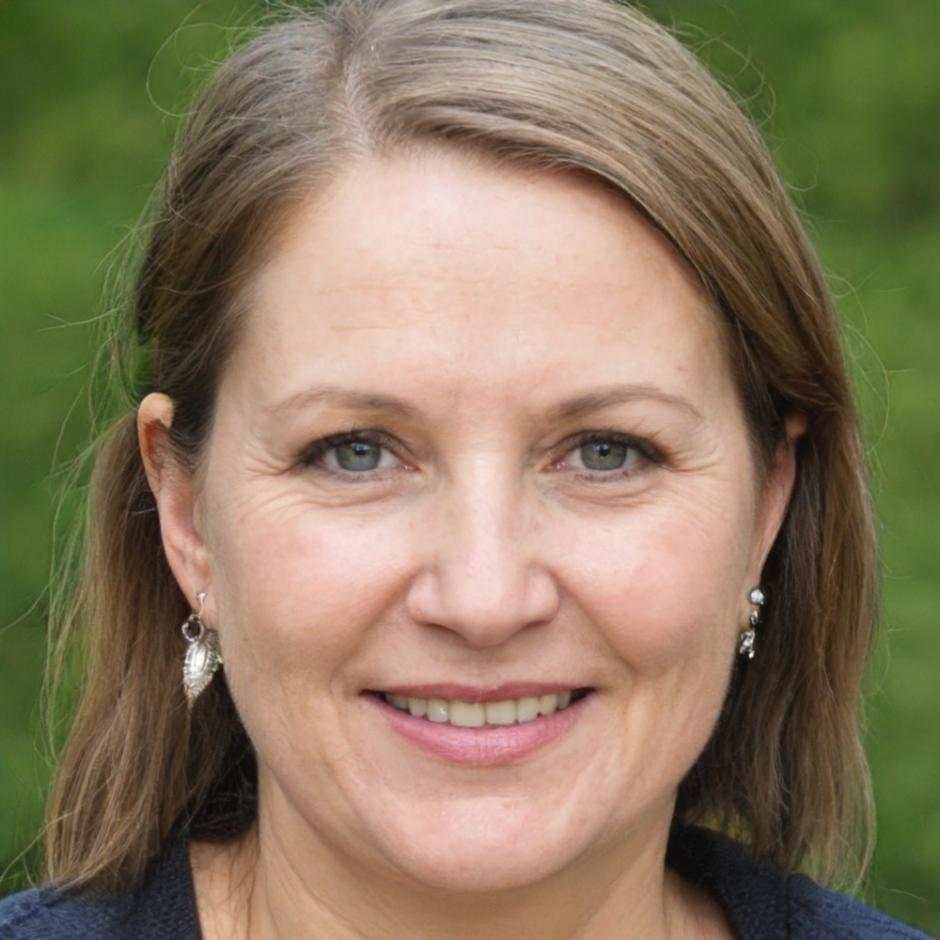
Síofra Ní Bhriain
Head of Product
"We decided early on that we would only solve one problem - invoice processing - and solve it properly. That constraint has kept us honest about what belongs in the platform and what does not."
How the product team works
Every feature request that comes in gets tested against a single question: does this make invoice processing more reliable for the client, or does it just make the product look more impressive in a demo? The distinction matters more than it sounds. A platform that processes 600,000 invoices a year cannot afford features that add complexity without adding accuracy.
Engineering and integrations
The engineering team has built connectors for fourteen ERP systems, including SAP, Oracle NetSuite, and Microsoft Dynamics. Each connector required a different approach because the underlying data models are genuinely different - not just in format but in how they represent approval hierarchies and cost centre allocation. That work is what makes the platform usable rather than just deployable.
Cormac Tóibín
Lead Engineer
Responsible for the extraction engine and the OCR pipeline that handles scanned documents from suppliers who still send paper invoices.
Wanjiku Oduya
Client Implementation
Manages onboarding for enterprise clients, including the configuration of approval rules and the mapping of supplier codes to internal cost centres.
Pádraig Ó Murchú
Compliance & Audit
Ensures that every process the platform runs produces an audit trail that satisfies Irish Revenue requirements and EU e-invoicing directives.
Adesuwa Bankole
Data & Reporting
Builds the reporting layer that shows clients where invoices are in the workflow at any given moment and where bottlenecks are forming.