
Structured automation for finance operations
Accounts payable teams spend an average of 14 days per month on manual invoice handling - chasing approvals, correcting data entry errors, and reconciling discrepancies that should never have occurred. This programme gives your team a working knowledge of the tools, logic, and process design needed to change that.
Talk to our team
Programme structure
Eight modules, one coherent system
Each module addresses a specific layer of the invoice lifecycle - from capture and validation through to payment and audit trail. The sequence is deliberate: later modules build directly on decisions made earlier, so gaps in understanding compound quickly if skipped.
Participants work through real scenarios drawn from mid-size finance teams, not simplified textbook cases. The tools covered include OCR-based capture platforms, three-way matching logic, and ERP integration patterns that appear across SAP, NetSuite, and similar environments.
What the programme covers
Capture and digitisation of paper and email-based invoices. Validation rules, exception handling, and approval routing. Matching logic against purchase orders and goods receipts. ERP posting, payment scheduling, and supplier communication. Audit readiness and process documentation for compliance.
-
1
Invoice capture and OCR accuracy Understanding recognition confidence scores and when human review is genuinely needed.
-
2
Validation rules and data quality Building field-level checks that catch errors before they reach the approval queue.
-
3
Approval routing and escalation Designing workflows that match your actual organisational structure, not a generic template.
-
4
Three-way matching in practice Where matching logic breaks down and how to handle partial receipts and price variances.
-
5
ERP integration and posting Mapping invoice data to chart of accounts entries without creating reconciliation headaches.
-
6
Audit trails and compliance documentation What auditors actually look for and how automated systems can produce it reliably.
"The module on three-way matching alone changed how our team handles goods receipt discrepancies. We stopped treating every mismatch as an emergency and started routing them correctly."
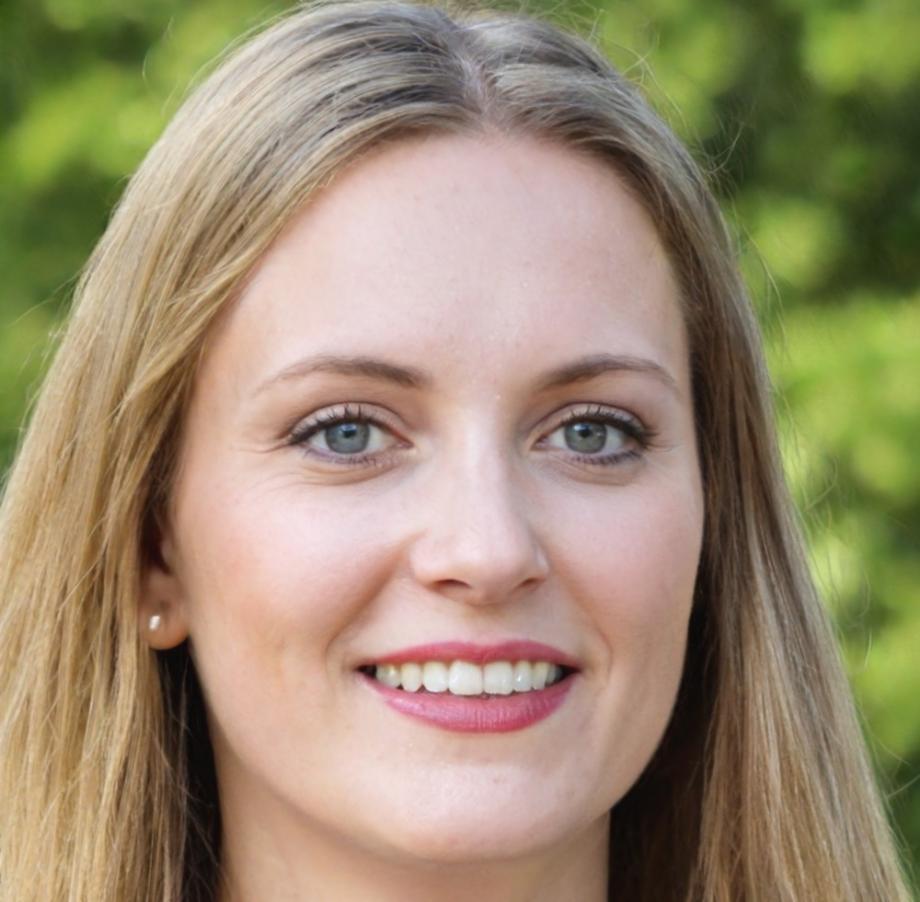
Orla Fennelly
Finance Operations Lead

Declan Murtagh
Programme Lead - Zakaxua
Declan has spent over a decade working inside finance operations teams, implementing automation across sectors from manufacturing to professional services. He designed this programme in 2017 based on patterns he saw repeated across dozens of failed implementations - most of which failed not because of the technology, but because of process gaps that came before it.
Who this is for
Finance managers, accounts payable supervisors, and operations leads who are responsible for invoice processing but have not yet implemented structured automation. Prior accounting knowledge is assumed; prior automation experience is not required.
What changes after the programme
Practical skills, not theoretical frameworks
Participants leave with documented process maps, configured validation rule sets, and a clear implementation sequence they can bring back to their own organisations. Progress depends on the complexity of your existing setup - simpler environments typically see working prototypes within six weeks of completion.